

AI Agents Are Becoming Real Workflows
AI is not just getting better at answering questions.
It is getting better at doing work.
This week, the important signal is not one model or one company. It is the bigger pattern:
AI is moving into developer tools, cybersecurity, cloud platforms, open-source workflows, and infrastructure spending.
For technical learners, that means one thing:
Do not only learn how to prompt AI. Learn how to build systems around it.
In today’s Rateb Lab:
AI delegation is becoming a real technical skill
Cybersecurity is becoming the first serious AI agent test
AWS is turning into part of the agent deployment stack
GitHub trends show where builders are moving
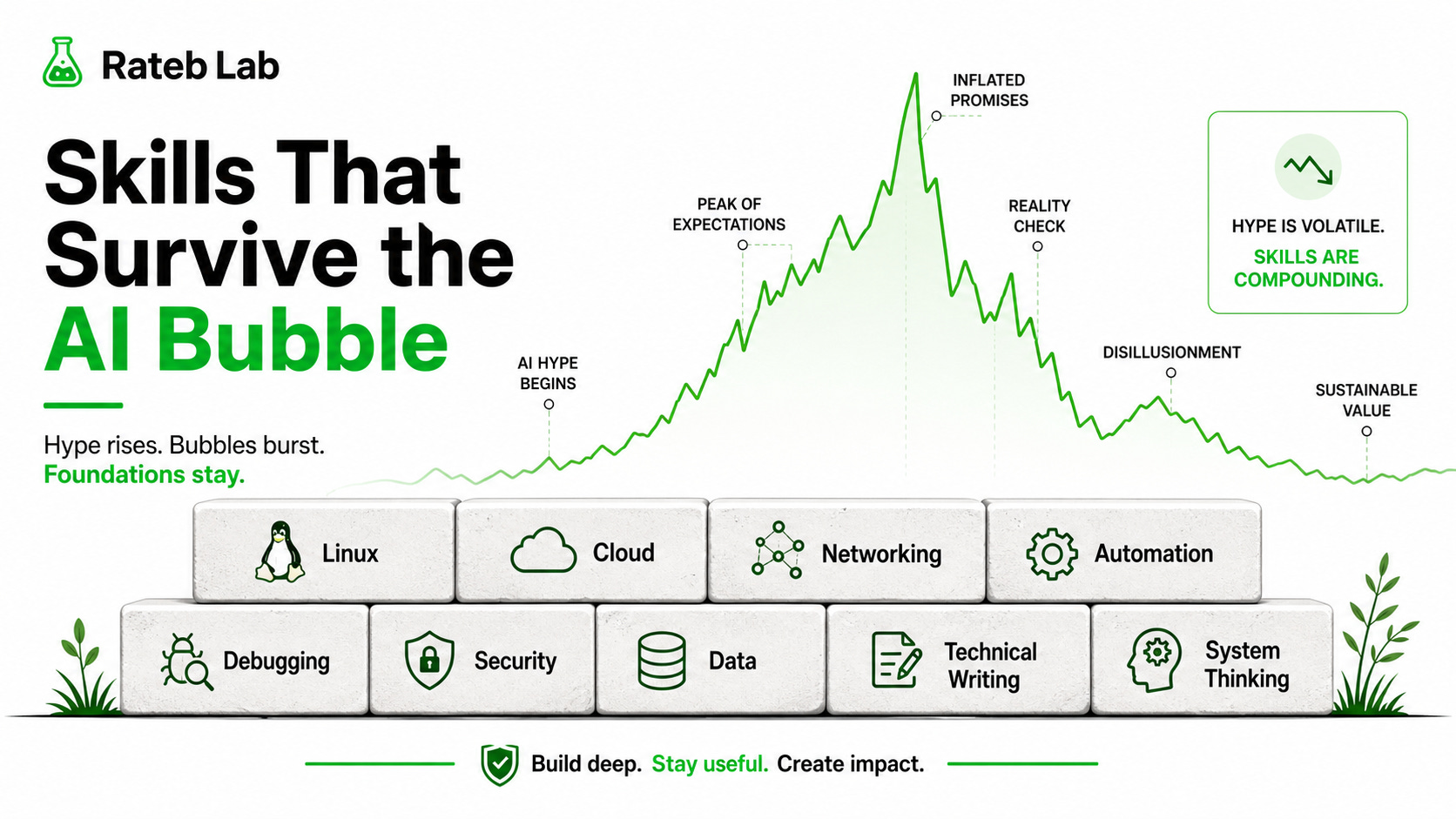
The AI bubble question is really a skills question
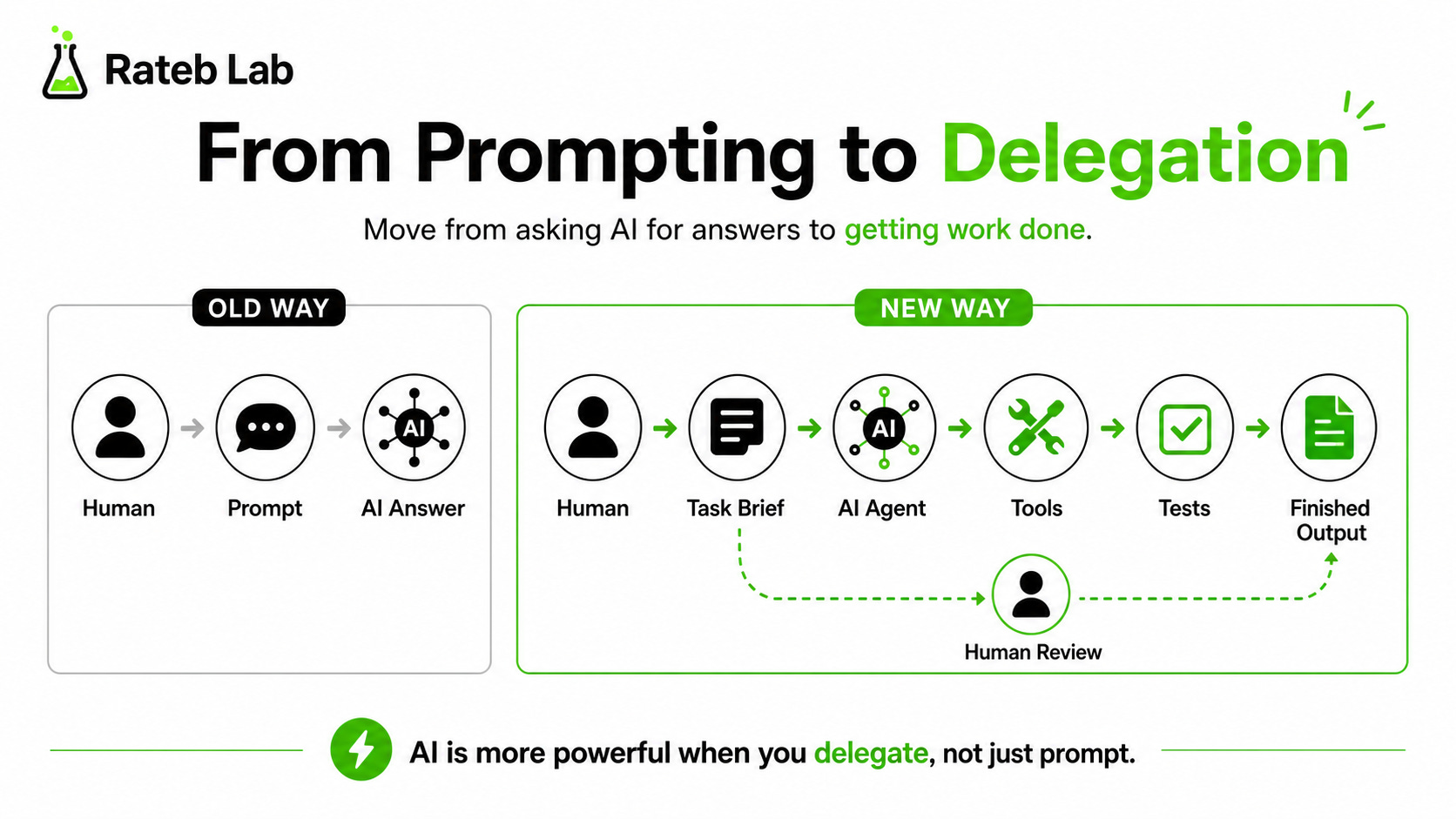
Rateb Lab Newsletter Assets/01-from-prompting-to-delegation.png
1. The New AI Skill Is Delegation
The new AI skill is not just prompting.
It is delegation.
Recent AI tools are becoming more like junior technical assistants. They can work across code, documents, spreadsheets, browsers, and developer workflows.
That changes the skill required from the user.
A weak AI request sounds like:
Fix this.
A strong AI delegation brief sounds like:
Inspect this repo, find why the login test fails, do not change auth logic unless necessary, run the test suite, and explain the root cause before editing.
The difference is context, constraints, and verification.
When using AI for technical work, include:
Goal
Context
Constraints
Tools or files allowed
Definition of done
Verification step
Sources: OpenAI GPT-5.5, GitHub Claude and Codex agents
2. Cybersecurity Is Becoming the First Serious AI Agent Test
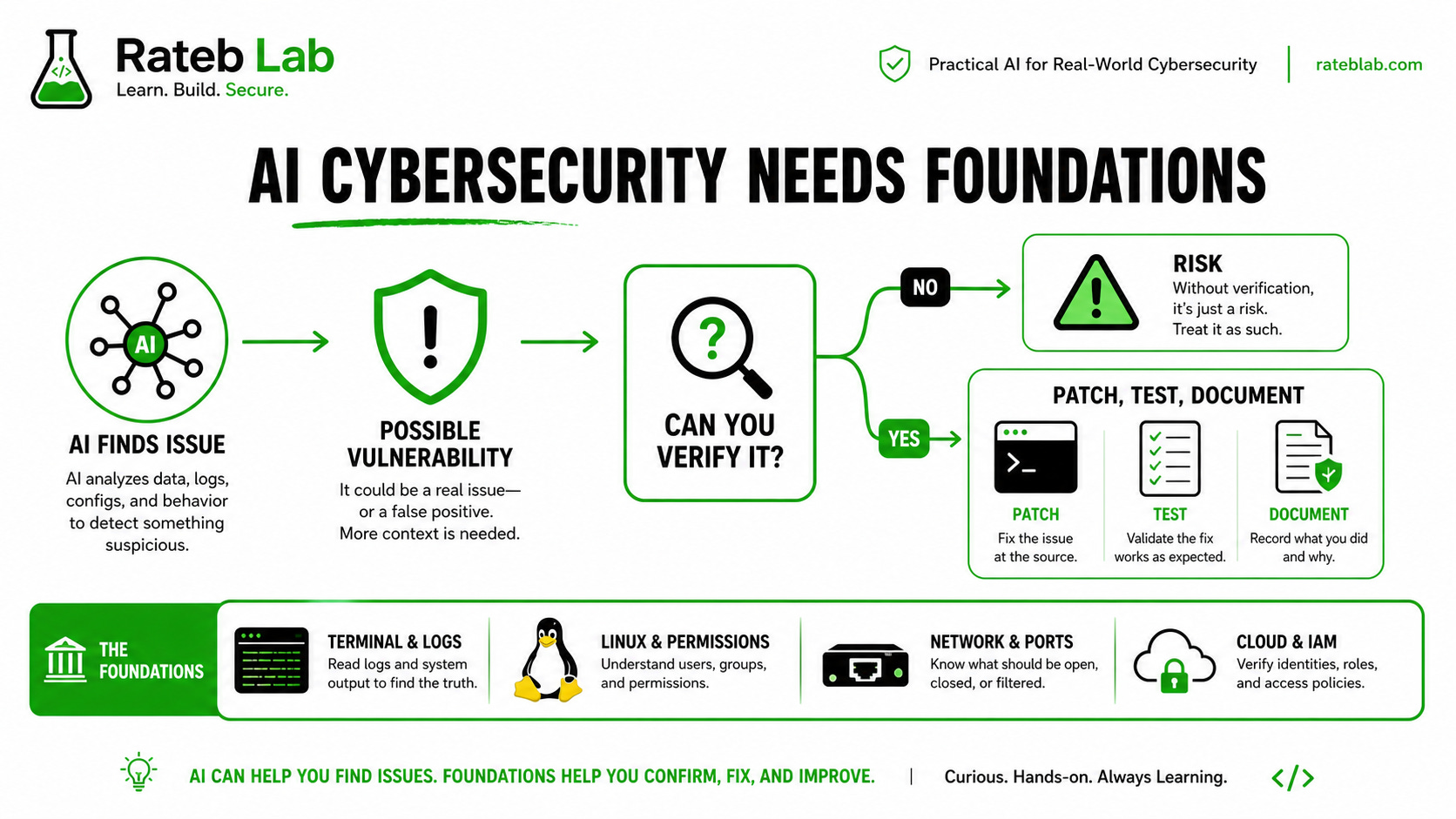
Cybersecurity is becoming one of the first serious tests for AI agents.
Anthropic’s Mythos Preview showed strong cyber capability. OpenAI also described tighter safeguards around GPT-5.5 for cyber-related use.
But the practical lesson is not “AI can hack now.”
The real lesson is:
AI can surface security issues faster than many learners can understand them.
That creates a gap.
If AI says there is a vulnerability, you still need to understand:
Linux permissions
Logs
Networking
Patching
Containers
IAM
CVEs
Basic threat modeling
AI can help you move faster, but it does not remove the need for technical judgment.
Sources: Anthropic Mythos Preview, Axios cyber briefings
3. AWS Is Becoming Part of the Agent Stack
The cloud story is no longer just “where apps run.”
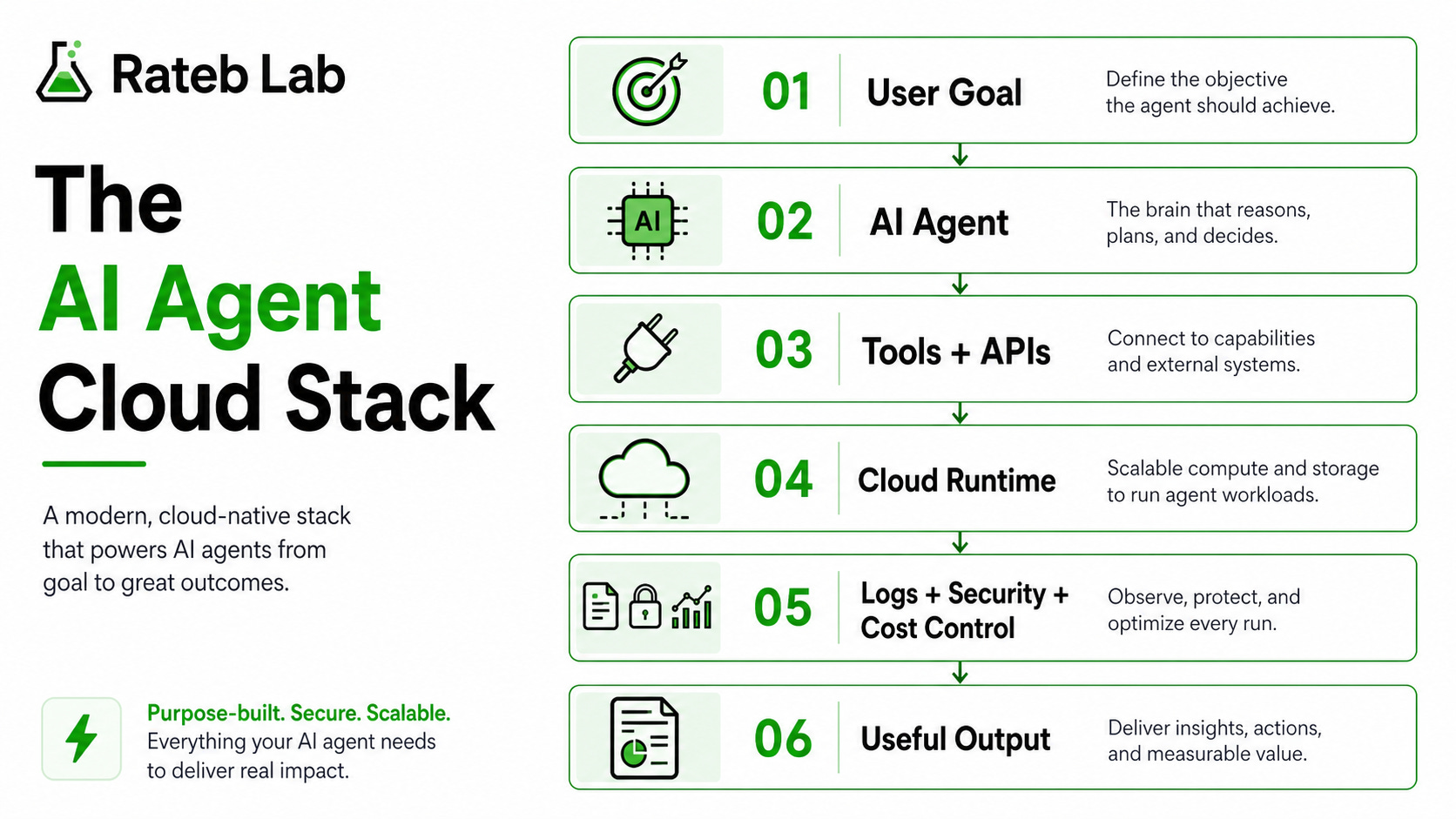
It is becoming where AI agents get deployed, managed, connected, monitored, and secured.
Recent AWS announcements point toward a future where agents are not just used in a browser. They are deployed, connected to tools, monitored, and controlled inside cloud systems.
For cloud learners, this is a big signal.
Do not only learn AI tools.
Learn the system around AI tools:
IAM
APIs
Logs
Storage
Monitoring
Cost controls
Security boundaries
Deployment workflows
A good beginner project:
Build a small agent workflow that reads a file, extracts tasks, saves output, and logs every step.
That teaches more than another generic chatbot clone.
Sources: AWS What’s Next 2026, AWS and NVIDIA
4. GitHub Trends Show Where Builders Are Moving
Frontier model news gets attention.
But GitHub often shows what builders are actually testing.
Right now, a lot of builder attention is around:
AI agents
MCP servers
RAG tools
Vector databases
Workflow automation
Coding agents
Evaluation tools
The mistake is collecting links and building nothing.
Use this filter instead:
Is the repo active?
Are the docs clear?
Can I run the demo?
Does it solve a real workflow problem?
Can I build one small project with it?
That turns GitHub trending from distraction into a learning system.
Sources: Trendshift, OSSInsight AI trending
5. The AI Bubble Question Is Really a Skills Question
Big Tech is spending huge amounts on AI infrastructure.
Some people see a boom. Others see a bubble.
For learners, the better question is:
What skills are still valuable either way?
The answer is boring, but strong:
Linux
Networking
Cloud fundamentals
Automation
Debugging
Security basics
Data handling
Clear technical writing
Workflow thinking
If AI keeps growing, these skills help you build with it.
If the hype cools, these skills still help you work in real technical environments.
That is the filter.
Do not chase every tool.
Build the foundation that makes every tool easier to understand.
Sources: Reuters via Investing.com, Tom’s Hardware AI capex
Quick Lab
This week, try one small practical exercise:
Build an AI delegation checklist.
Use this template:
Task:
Context:
Files/tools:
Constraints:
Do not touch:
Success means:
How to verify:
What to report back:
Then use it with one real task:
Debug a small script
Summarize a technical article
Create an AWS lab plan
Review a Linux command
Organize study notes
The goal is not to get a perfect answer.
The goal is to practice working with AI like a technical operator.
Closing
This week’s AI news has one clear message:
AI is becoming operational.
It is entering coding, cybersecurity, cloud, infrastructure, and open-source workflows.
The best response is not panic.
The best response is practice.
Learn the foundations. Build small systems. Use AI carefully. Verify everything.
Rateb Lab takeaway: The future does not belong to people who only “know AI.” It belongs to people who can turn AI into working systems.